

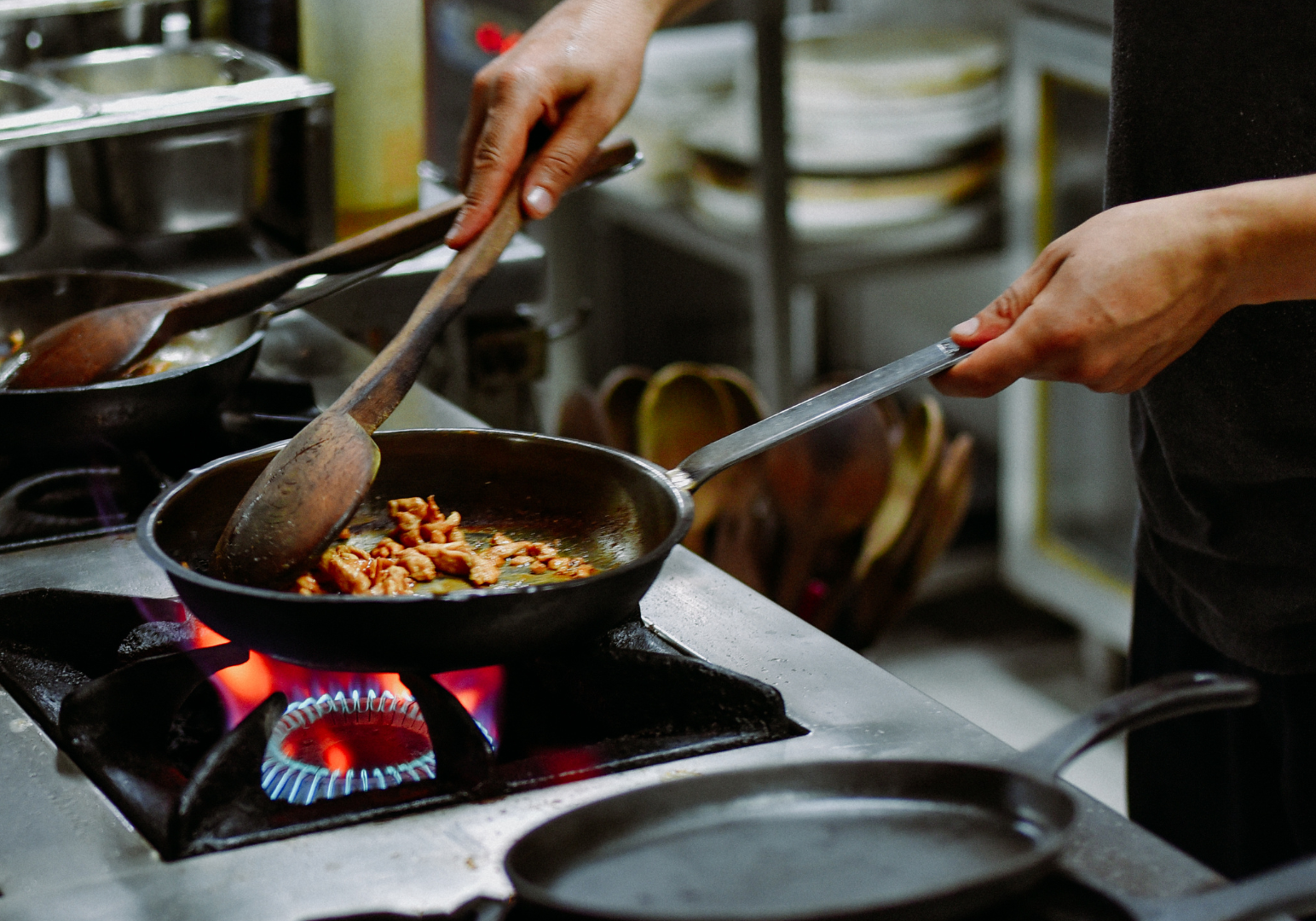
Holiday Burnout is Real: Save Your Chefs Before It’s Too Late
Managing Chef Burnout During the Holiday Rush
To prevent chef burnout during the holiday season, restaurant leaders should focus on proactive planning, smart scheduling, and building a supportive workplace culture. These strategies are essential for managing the increased stress, long hours, and high guest expectations that characterize the busiest time of year for the hospitality industry.
The holiday season presents a significant opportunity for restaurants to boost revenue and showcase seasonal menus. However, this high-stakes environment can push kitchen staff to their limits. More than half of hospitality workers report symptoms of burnout, and many are leaving the industry altogether as a result. This creates a cycle of stress and inefficiency that harms both employees and the business.
Fortunately, holiday burnout is not inevitable. By implementing practical strategies, restaurant managers can create a supportive atmosphere that energizes their teams and meets business demands.
What is Holiday Burnout in the Hospitality Industry?
Holiday burnout is a state of physical, emotional, and mental exhaustion caused by the prolonged and intense stress of the holiday season in a restaurant setting. For chefs and kitchen staff, this often manifests as extreme fatigue, frustration with the high-pressure environment, and a feeling of detachment from their work.
During the holidays, challenges like packed dining rooms, private events, and demanding guests amplify stress. Kitchen staff frequently work back-to-back shifts, sacrificing rest and personal time. This unsustainable pace can lead to decreased performance, poor morale, and negative impacts on physical and mental health.
Why is Preventing Holiday Burnout Important?
Preventing chef burnout is a critical business strategy that protects your team and your bottom line. When employees are burnt out, restaurants face high turnover rates, which are costly due to recruitment and training expenses. A stressed team is also less productive and more prone to errors.
Conversely, a supported and well-rested culinary team is more motivated, creative, and efficient. This directly improves the quality of service, leading to happier guests and increased repeat business. Investing in your staff’s well-being is an investment in your restaurant’s success.
How Can Restaurants Prepare for Holiday Demands?
Proactive preparation is the most effective way to manage the holiday rush and reduce kitchen staff morale issues. Proper planning helps meet guest expectations while protecting your team from unnecessary stress.
- Anticipate Demand: Analyze data from previous years to forecast peak days, customer counts, and large party bookings. This allows for more accurate restaurant staffing and inventory management.
- Hire Seasonal Help: Identify potential staffing gaps early. Bring in temporary hires or cross-train existing team members to provide support during the busiest periods.
- Streamline Kitchen Processes: Simplify workflows to save time and reduce pressure. Standardize prep work, use clear checklists, and adopt efficiency tools like those from Galley Solutions.
- Plan Balanced Schedules: Ensure your team has adequate time for rest. Overworking staff leads to mistakes and low morale.
- Communicate Clearly: Maintain open communication about plans, expectations, and challenges. Transparency builds trust and reduces uncertainty.
What are Smart Scheduling Strategies to Prevent Holiday Burnout?

Effective scheduling is crucial for maintaining a healthy work-life balance for your culinary team during the holidays. Thoughtful scheduling creates a sustainable rhythm that keeps staff energized.
- Rotate demanding shifts and responsibilities fairly to prevent any single individual from becoming fatigued.
- Utilize seasonal staff to cover peak hours, reducing the burden on your core team.
- Finalize and share schedules well in advance to allow staff to plan their personal lives.
- Involve your team in the scheduling process by asking for their availability and preferences to promote a sense of fairness and ownership.
How Do You Build a Positive Workplace Culture?
A supportive workplace culture is one of the best defenses against holiday burnout. When your team feels valued, they remain engaged and committed, even under pressure.
- Celebrate Hard Work: Acknowledge your team’s efforts through public recognition, small bonuses, or simple thank-you notes.
- Encourage Rest: Promote a culture where taking scheduled breaks is seen as essential, not optional.
- Train Your Leaders: Equip managers to recognize early signs of burnout and provide support. Empathetic leadership sets a positive tone.
- Foster Teamwork: Encourage collaboration and delegation so no single person feels solely responsible for overwhelming tasks.
Regular check-ins are vital for open communication. They give staff a platform to voice concerns and provide feedback, ensuring they feel heard.
How Can Leaders Support Culinary Team Wellness?
Supporting the mental health of your culinary team is as important as their physical well-being, particularly in a high-pressure kitchen environment.
- Start shifts with brief, informal check-ins to gauge how everyone is feeling.
- Provide access to wellness programs or direct your team to external mental health resources.
- Implement a mentorship program where experienced staff can guide new hires.
- Minimize non-essential communication during peak service to reduce cognitive overload and stress.
Normalizing conversations about mental health creates a safer workplace where staff are more willing to seek help when needed.
Where Can Chefs Go for Mental Health Resources?
Several organizations are dedicated to supporting culinary team wellness and providing mental health resources for the hospitality industry.
- Giving Kitchen: Offers financial assistance and a referral network for mental health services to food and beverage workers.
- American Culinary Federation (ACF): Connects culinary professionals to wellness resources, including CHOW and Ben’s Friends.
- The Burnt Chef Project: A global non-profit focused on making the hospitality profession healthier by providing wellness checklists, action plan templates, and other free resources.
Frequently Asked Questions
Q: What are the first signs of chef burnout?
A: Early signs of chef burnout include persistent exhaustion, increased irritability or cynicism, a noticeable drop in performance, and a sense of detachment from work and colleagues. Leaders should watch for these changes, especially during high stress periods.
Q: How can a small restaurant with a limited budget prevent holiday burnout?
A: Even with a tight budget, you can prevent holiday burnout by focusing on clear communication, fair and balanced scheduling, and fostering a culture of mutual respect. Publicly acknowledging hard work and ensuring staff take their scheduled breaks are free yet powerful ways to boost kitchen staff morale.
Q: Can technology help with hospitality stress management?
A: Yes, technology can significantly help with hospitality stress management. Scheduling software can ensure fair shift distribution, while kitchen management systems like Galley Solutions can streamline ordering and prep, reducing manual errors and saving time for your culinary team.