

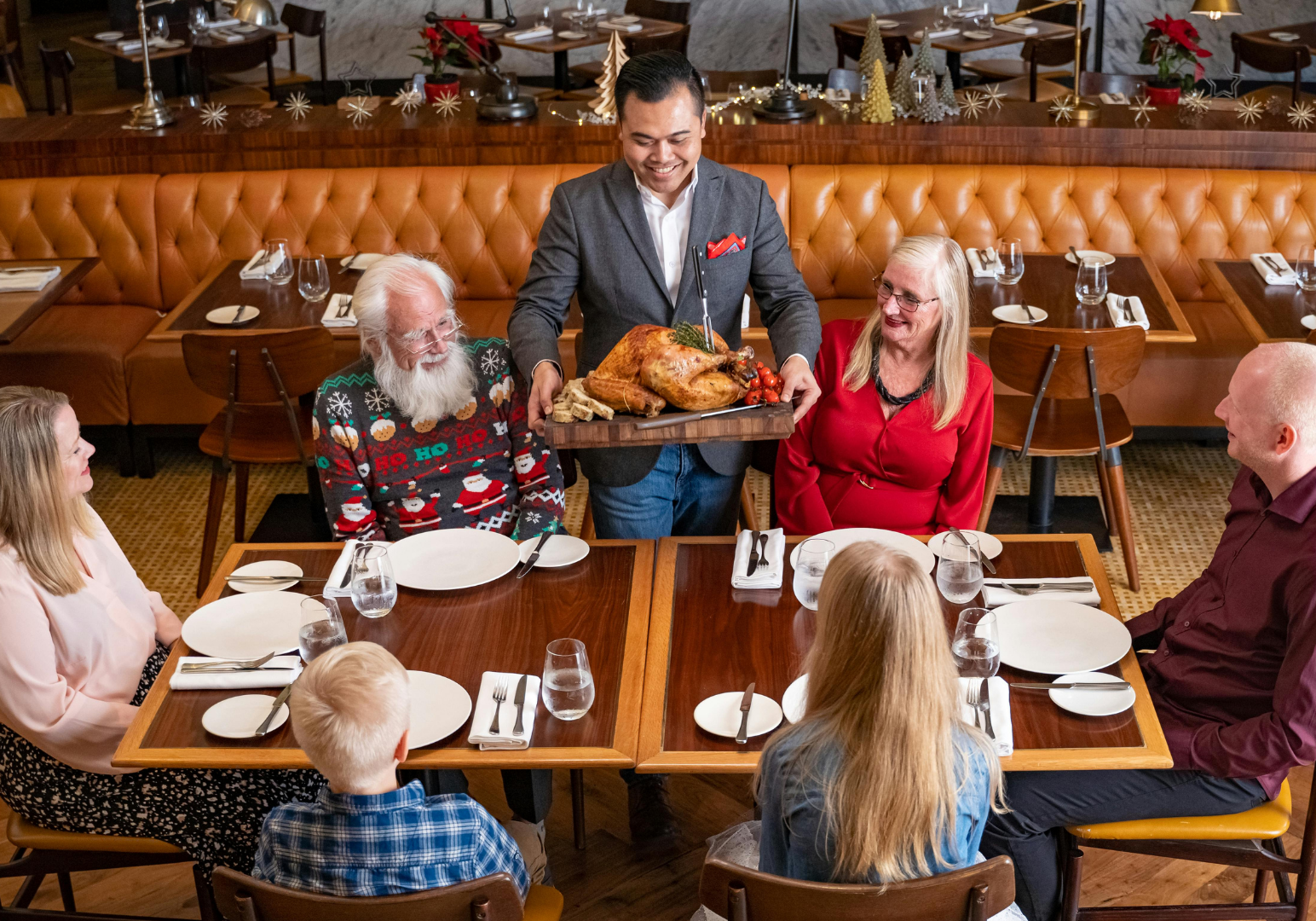
The Q4 Rush Is Coming: Is Your Hospitality Business Ready?
For many restaurants, hotels, and hospitality businesses, the final months of the year bring some of the busiest and most important weeks on the calendar.
Holiday gatherings, corporate events, family travel, celebrations, and increased guest traffic can create exciting opportunities. They can also expose weaknesses that are easy to overlook during slower periods.
The best time to prepare for the Q4 rush is before it arrives.
Here are a few areas hospitality leaders should be evaluating now.
Look at Your Team Before You Need Them
A busy season is not the time to discover that your team is stretched too thin.
Take a close look at your current staffing levels, schedules, leadership coverage, and upcoming time off. Are your strongest leaders going to be available when demand increases? Are there areas where one person is carrying too much responsibility?
Preparation also means making sure your team understands expectations before the pressure hits.
The goal is not simply having enough people on the schedule. It is having the right people in the right roles and making sure everyone understands how to work together.
Review Your Guest Experience
Q4 often brings guests who may not visit your business regularly. That makes consistency especially important.
Walk through the guest experience from beginning to end. What happens when someone makes a reservation? How easy is it to get information? What does the arrival experience feel like? How are questions or complaints handled?
Small points of friction can become much more noticeable when your operation is busy. Take the time now to identify where the experience could be smoother.
Check Your Inventory and Supplies
Running out of something during a busy service is more than an inconvenience. It can affect the guest experience, put additional pressure on employees, and create unnecessary operational problems.
Review your ordering processes, supplier relationships, storage capacity, and items that may see increased demand during the holiday season.
Preparation gives your team more options when demand starts moving quickly.
Make Communication a Priority
Busy shifts create more opportunities for miscommunication.
Managers are moving between responsibilities. Employees are handling more guests. Priorities can change quickly.
Strong communication systems become especially important during these periods.
Make sure your team knows who is responsible for what, how information gets passed between shifts, and who should make decisions when unexpected issues arise.
The clearer the communication, the easier it is for your team to stay focused.
Prepare Your Leaders for Pressure
Q4 is not only a test of your staff. It is a test of leadership.
Managers need to be able to make decisions quickly, keep teams calm, address guest concerns, and adjust when plans change.
Before the busy season begins, consider where your leaders may need additional support.
Do they have enough authority to make decisions? Are responsibilities clearly divided? Are there situations that consistently require the same manager to step in?
Strong leadership can make the difference between a busy operation that feels organized and one that feels chaotic.
Do Not Wait for the Rush to Start Preparing
The businesses that handle busy seasons well are rarely relying on last minute fixes.
They are reviewing what worked previously, identifying potential problems, communicating expectations, and giving their teams the tools they need before demand increases.
Q4 can be one of the most rewarding times of the year for a hospitality business. Preparation is what allows your team to take advantage of the opportunity without sacrificing the experience that brought guests through the door in the first place.
Looking Ahead
A successful Q4 does not happen by accident.
It comes from strong preparation, clear communication, capable leadership, and an operation that is ready to adapt when things get busy.
The goal is not to eliminate every challenge. It is to make sure your team is prepared to handle them when they arrive.