

The Ultimate Guide to Onboarding a Star New Employee: Boosting Success from Day One
Author: Robert Krzak
Category: Hospitality Leadership, Restaurant Manager Jobs
Posted Date: 02/10/2025
The Essential Steps for Effective Onboarding of Top Talent: Setting the Stage for Success
In today’s competitive hospitality and restaurant landscape, effective onboarding isn’t just an HR function. It starts with the hospitality manager — their strategic advantage. Whether opening a new restaurant in Miami, expanding a resort in California, or launching a boutique concept in New York City, the success and longevity of every new hire hinge on what happens during their first days and weeks.
As a recruitment and management professional who has spent years observing both triumphs and failures in the hiring process, I’ve learned that onboarding is the invisible thread between a promising hire and a lasting leader.
Hospitality Manager 101: Why Onboarding Determines Success
Question: Why does onboarding matter so much in the hospitality and restaurant industry?
Answer: Because first impressions don’t just belong to guests — they also belong to employees. A well-designed onboarding process gives new managers clarity, confidence, and connection. It transforms hiring from a transaction into the start of a relationship.
Recently, I worked with a restaurant proprietor struggling with high managerial turnover at a new location. The root cause wasn’t recruitment — it was the lack of foundational onboarding practices. New managers were hired for their talent but left before their potential could take root. The lesson was clear: the first 90 days determine everything.
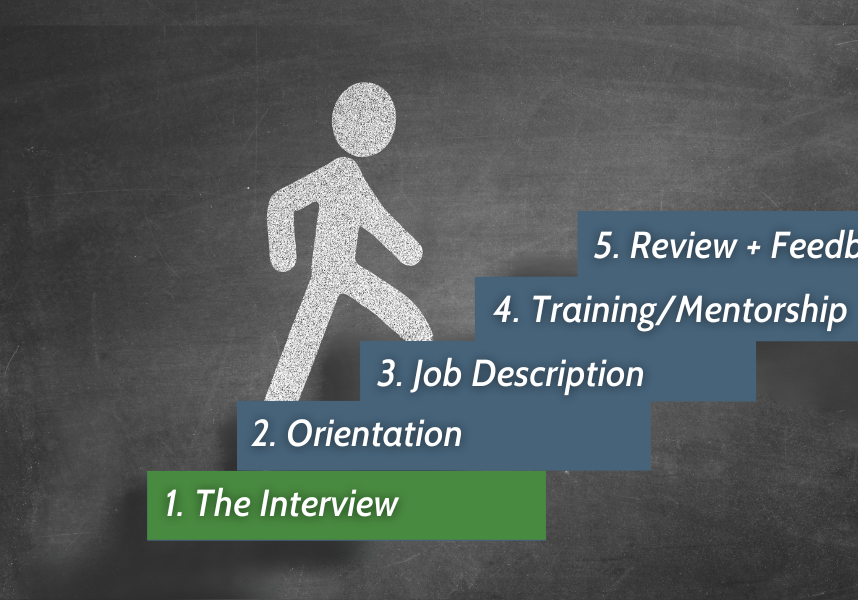
Step One: The Art of Interviewing
Every hospitality manager knows that successful onboarding journey begins long before the first day on the job. It starts with how you interview. The interview is both a discovery process and the first act of culture-building.
Make time and space count.
Allocate uninterrupted time for interviews. A rushed meeting signals that the candidate’s time isn’t valued. Offer a beverage, start with light conversation, and create a relaxed, human connection before diving into technical questions.
Be structured, not scripted.
Use a consistent set of core questions for all candidates, along with role-specific ones. Listen actively — not just for what’s said, but how it’s said. Pay attention to how candidates describe past relationships with managers and peers; that’s often where the true story lives.
Avoid bias traps.
The “Halo Effect” is one of the most common interview pitfalls — when shared interests or charm overshadow professional fit. Enjoying the same baseball team doesn’t make someone a strong operations manager. Keep your evaluation focused on leadership behaviors, decision-making style, and cultural alignment.
Observe their curiosity.
A candidate’s questions are often more revealing than their answers. Genuine curiosity about your company’s mission, team, and expectations is a green flag for engagement and long-term alignment.
Don’t rush the offer.
Even if the first interview feels perfect, resist the temptation to extend an offer immediately. Schedule a second meeting after reference checks. This gap allows both parties to reflect and verify fit. The best relationships — personal or professional — grow through thoughtful pacing, not impulse.
Reference checks still matter.
Contact previous employers, even competitors when appropriate. Patterns of performance, attitude, and accountability often repeat. A balanced perspective from multiple sources can prevent painful surprises later.
Think of the first interview as a first date: the goal isn’t marriage; it’s the next date. The second interview — with preparation and reflection — determines whether there’s true alignment between the candidate’s values and the company’s vision.
Building a Foundation for Long-Term Engagement
By treating the interview as the first stage of onboarding, organizations create a seamless transition between selection and integration. This continuity builds psychological safety from day one — a key factor in retention and performance.
When new managers understand expectations, culture, and the “why” behind company goals, they feel empowered rather than overwhelmed. The result? Faster ramp-up, stronger team cohesion, and significantly lower turnover.
Whether you manage a multi-unit restaurant group in Florida, a luxury hotel in California, or a new dining concept in New York, the formula remains universal:
-
Structure every step.
-
Eliminate bias.
-
Build connection and clarity before commitment.
Effective onboarding isn’t a department’s responsibility — it’s a leadership mindset.
Stay tuned for the subsequent installment in this series, where we will delve into the pivotal facets of orienting new employees to position them for triumph.
This article was written by Marty Tarabar, marty@geckohospitality.com.